REACH BACK
Reach One Teach One — Every Child Counts!
We Discover, Develop and Deploy.
Est. 2017 | Cameroon.
Registration No.: 110/G.37/C.84/VOL.I/SAAJP
Reach One Teach One — Every Child Counts!
We Discover, Develop and Deploy.
Est. 2017 | Cameroon.
Registration No.: 110/G.37/C.84/VOL.I/SAAJP
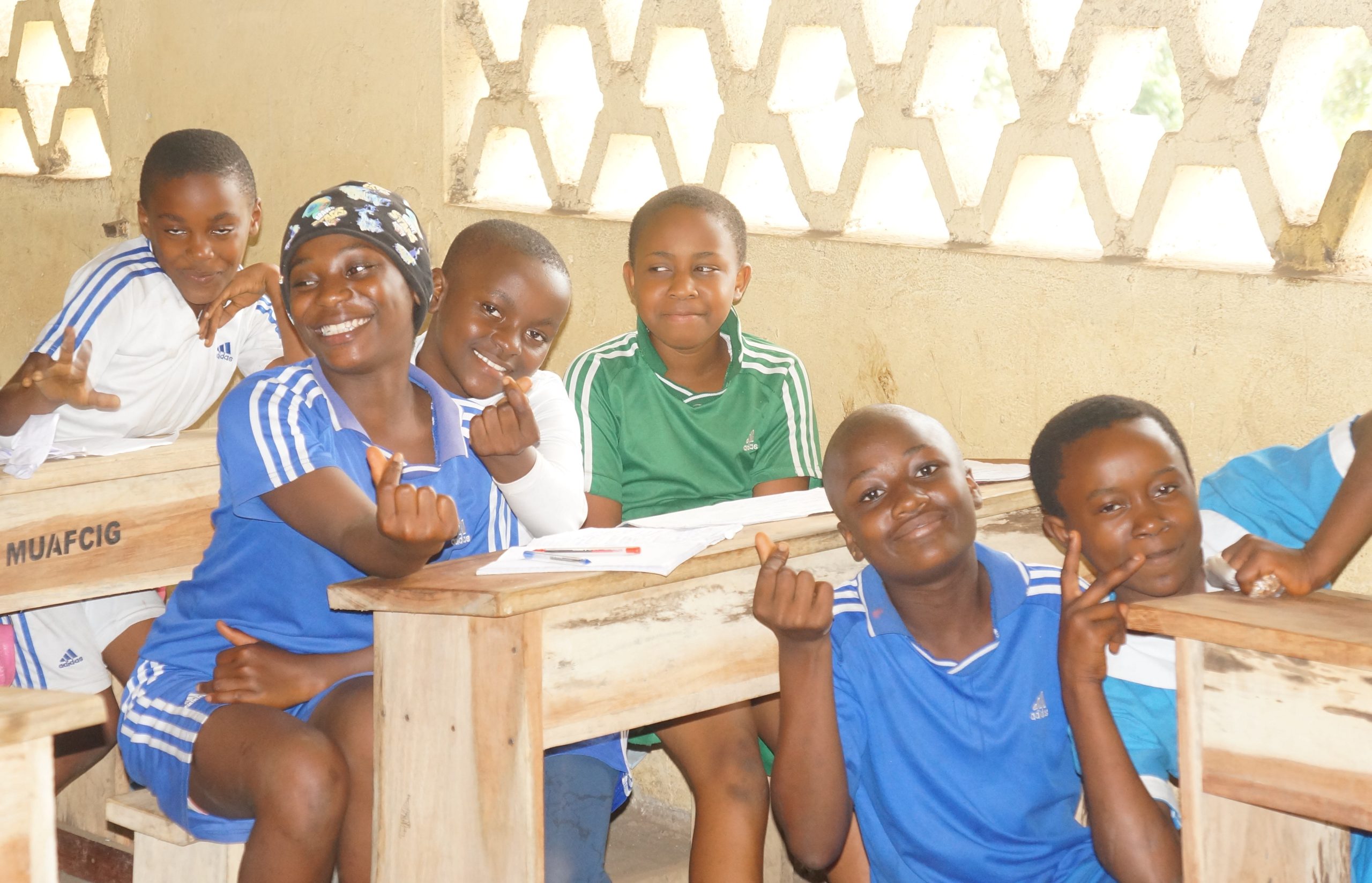
REACH BACK is a Cameroon-based nonprofit organization founded in 2017, committed to transforming schools, Temporary Learning Spaces (TLS) and communities into safe, inclusive and empowering environments where children and young people can learn, grow and lead.
Through our Reach One Teach One model, we advance access to quality education, WASH, child protection, climate and environmental action, youth empowerment, civic engagement, technology and skills development in crisis and non-crisis settings.
REACH BACK believes sustainable development is strongest when communities, schools, children and young people are active participants in identifying challenges, developing solutions and sustaining results.
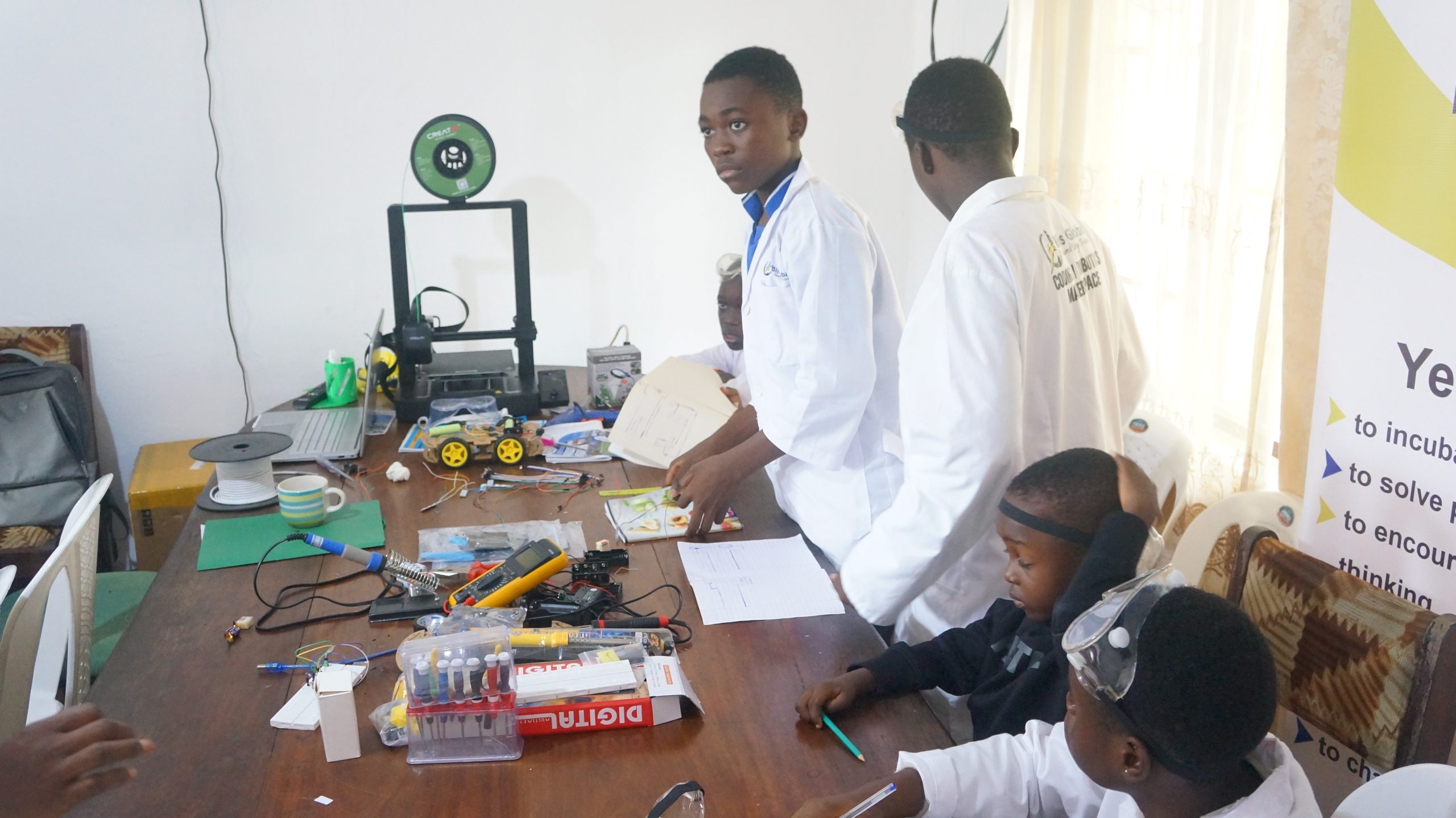
- Quality Education & Digital Inclusion — foundational learning, educational technology, digital literacy, teacher/student support and learning materials.
Project EQUAL (Education Quality & Universal Access to Learning)
- WASH & School Health — safe water access, sanitation, hygiene promotion and school-based health awareness.
Project WATWA (Water Trucking and WASH Access)
- Child Protection — safeguarding, psychosocial support, referral, prevention and child-protection awareness.
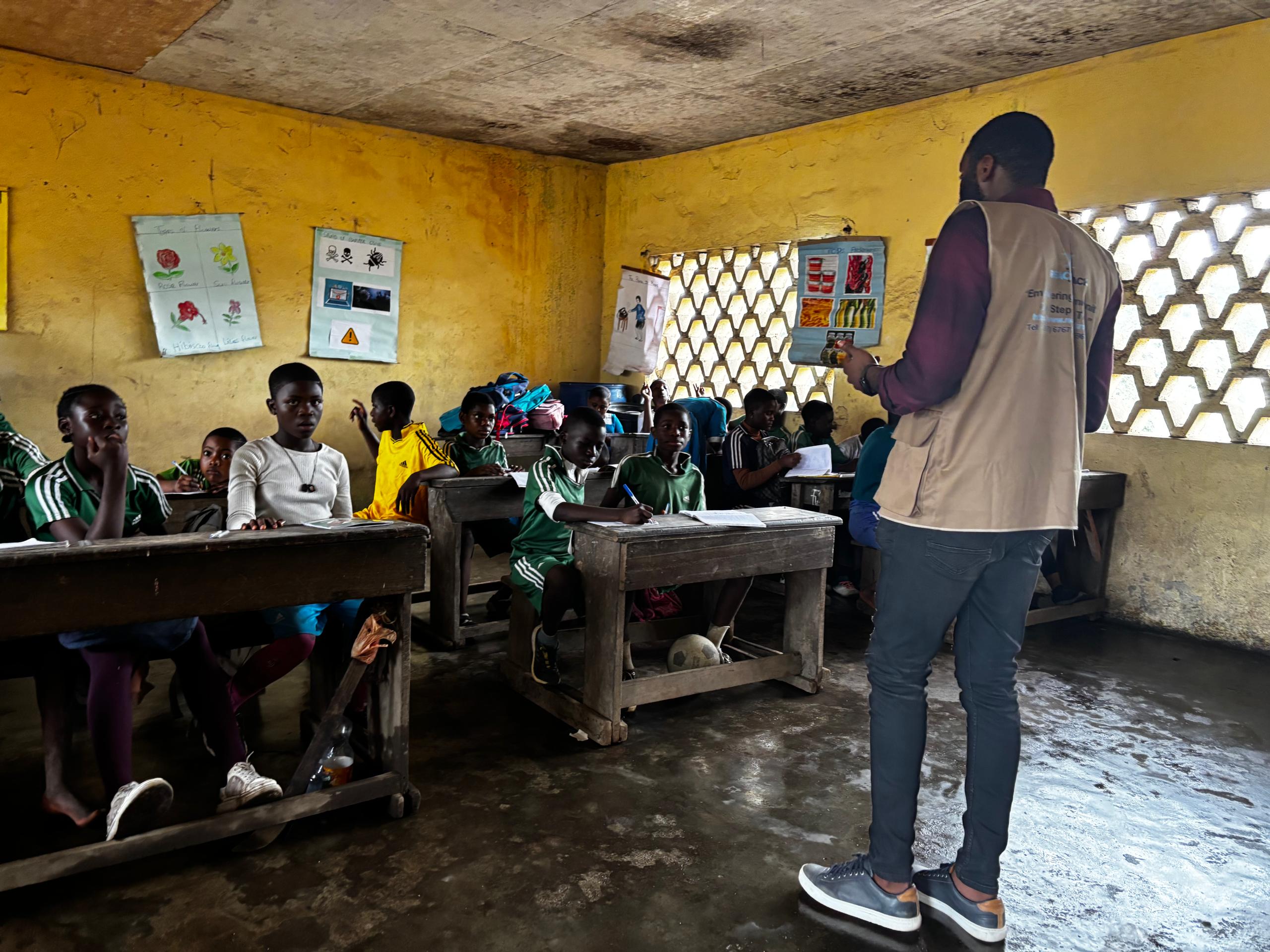
Project EDAS (End Drug Abuse in Schools)
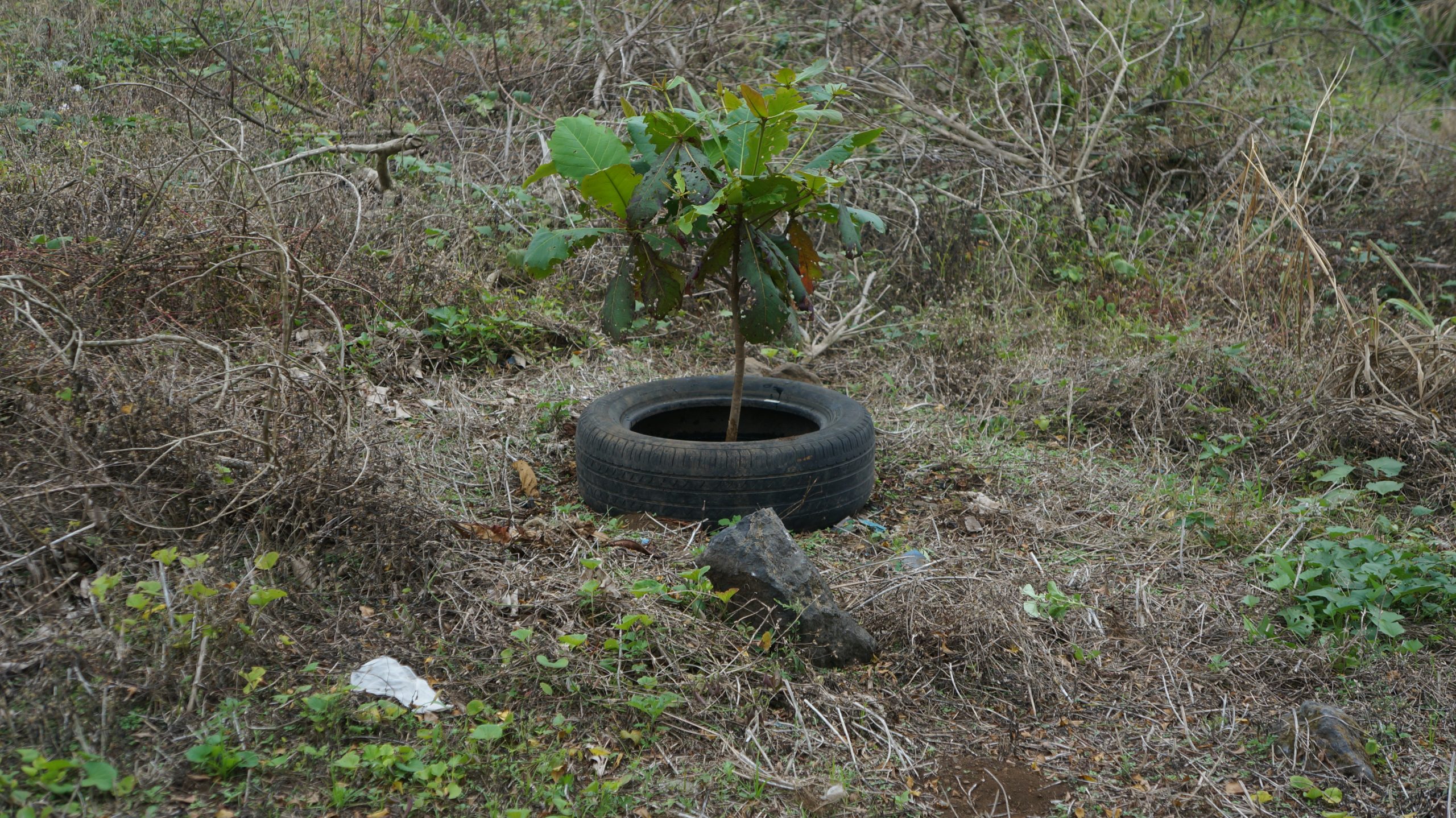
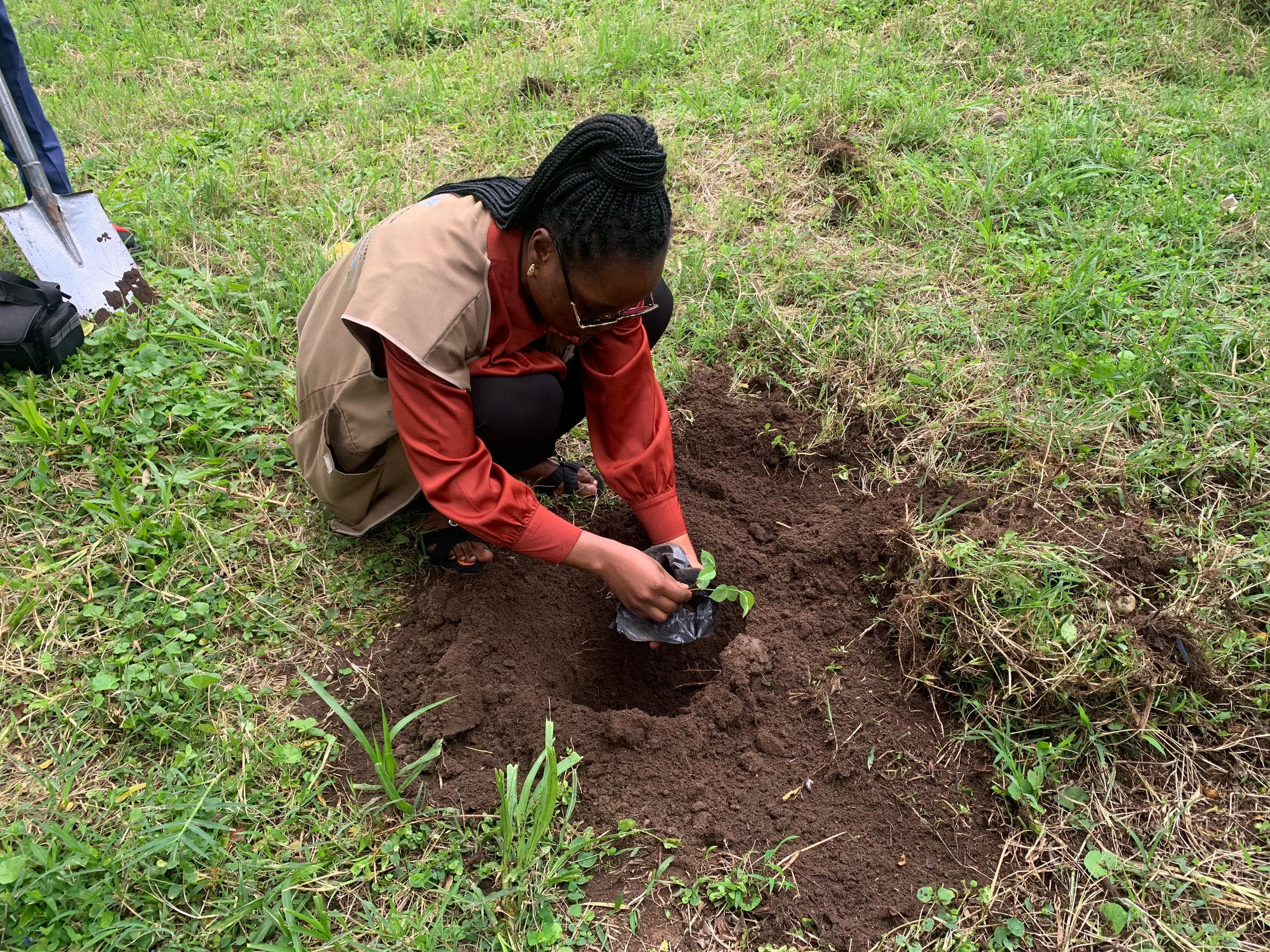
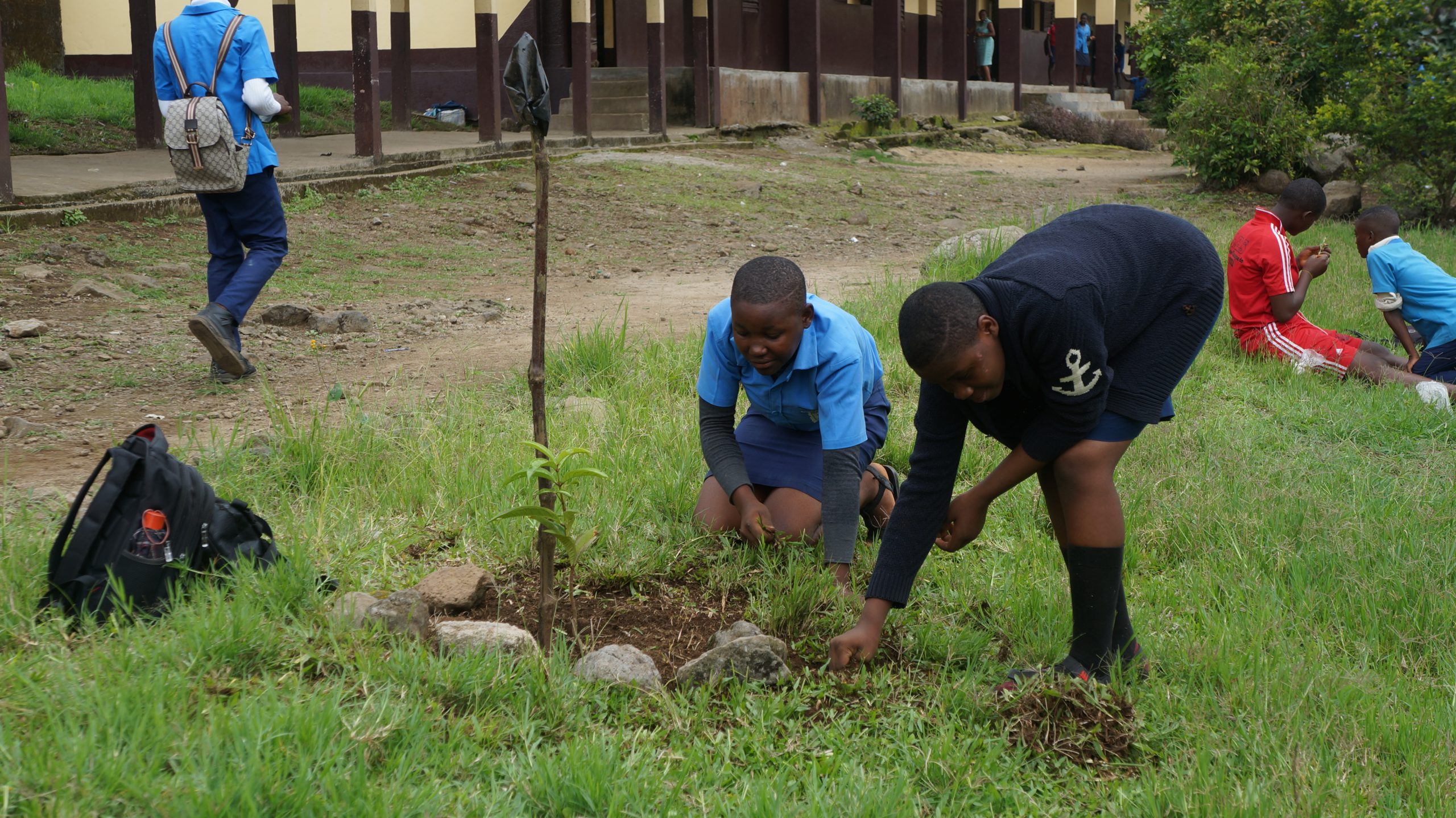
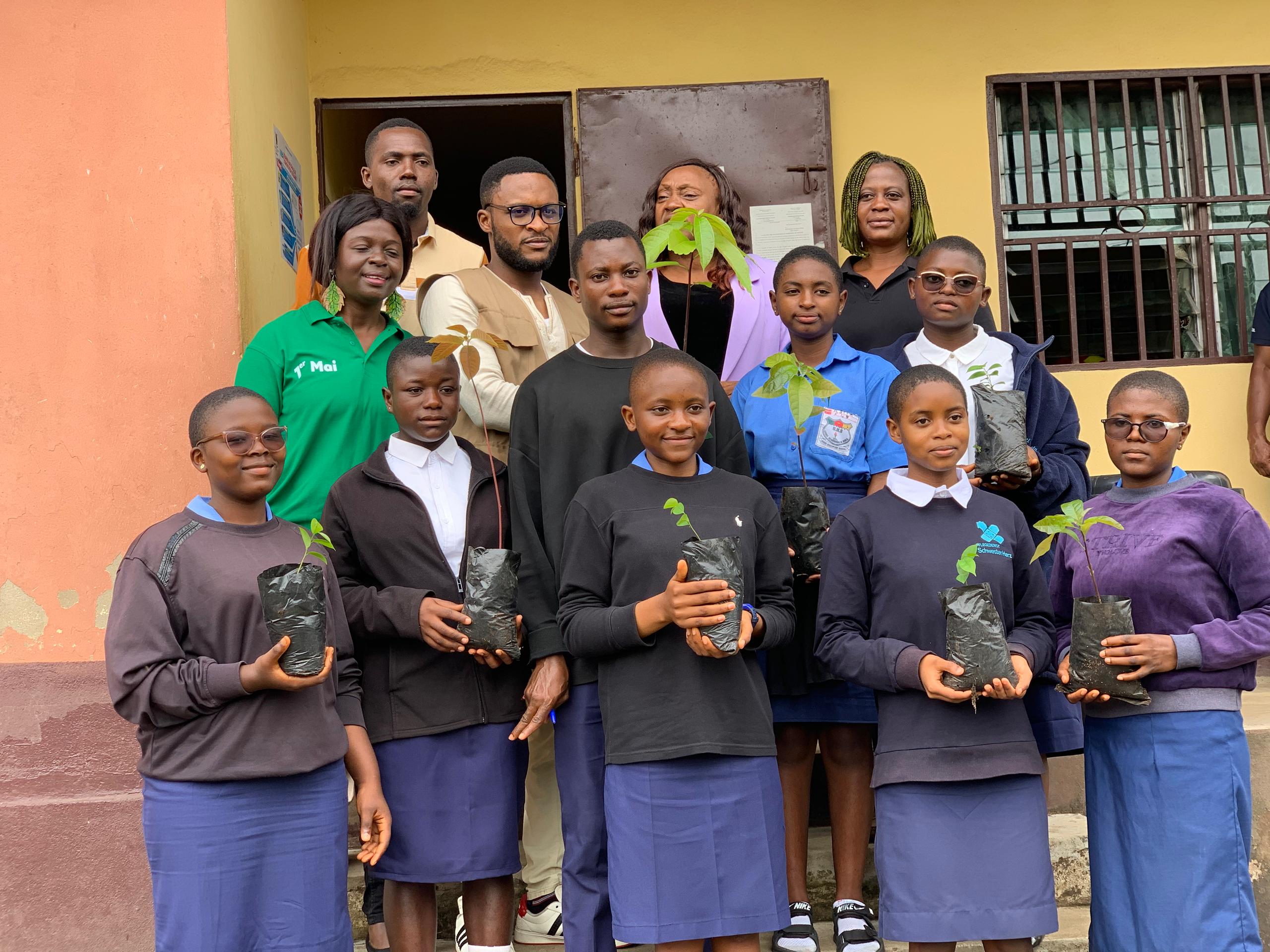
- Climate Action & Environmental Stewardship — school greening, tree planting, waste sorting, composting, school gardens and environmental education.
Project ROGS (ROTO Green Schools) & Project OSFARM (Organic School Farms)
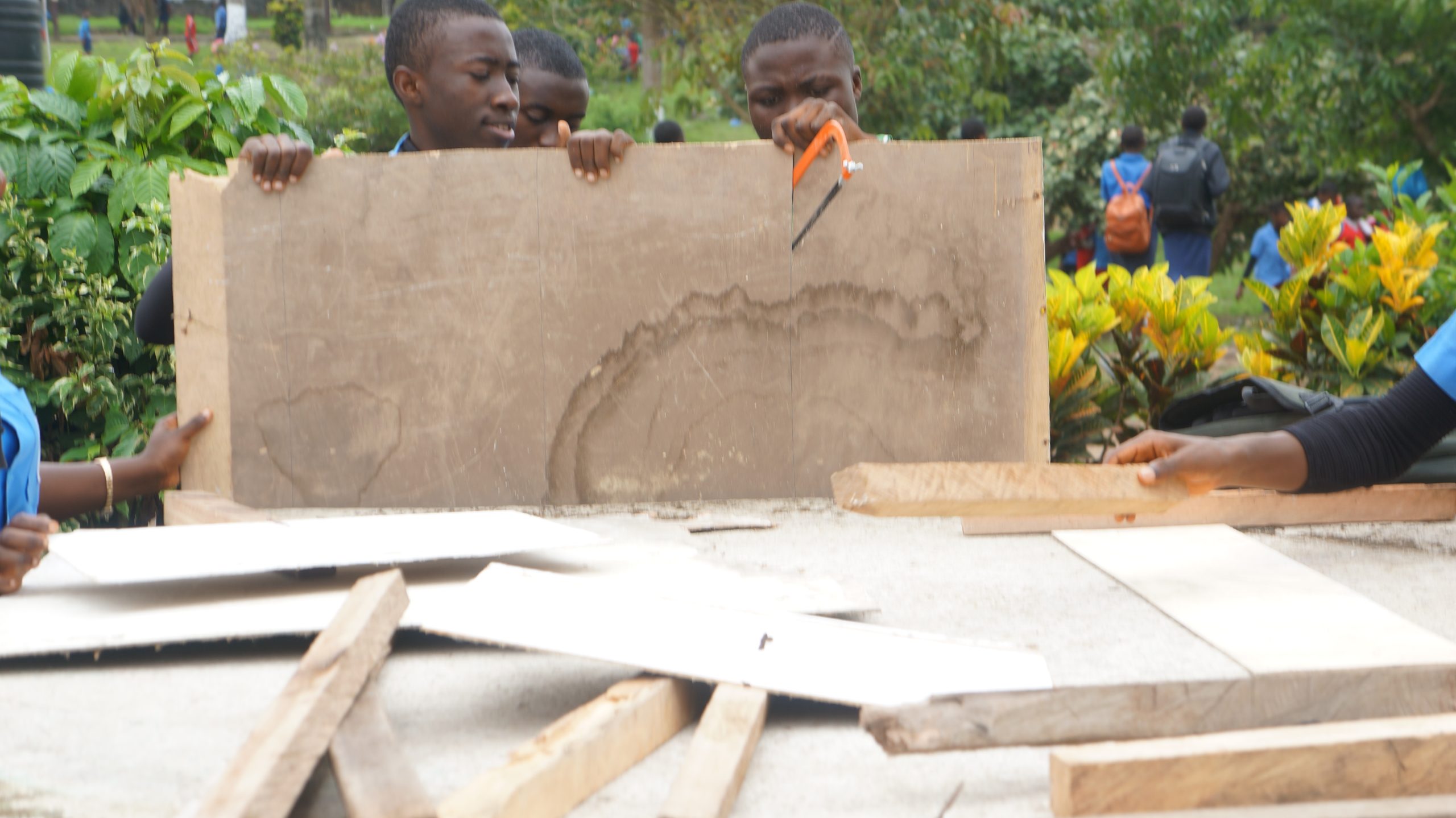
- Youth Empowerment & Skills Development — vocational skills, entrepreneurship, mentorship and pathways to economic opportunity.
Project SKIBEC (Skills Beyond the Classroom)
- Civic Engagement & Good Governance — democratic participation, student leadership, civic education and responsible citizenship.
Project GRACIH (Grassroots Civic Hub)
- Sports, Culture & Extracurricular Development — inclusive sports, arts, culture, creativity and student development.
Project SCHOOL CUP (Schools Competitive and Unified Sports Program) & PROJECT CREATS (Creative Arts and Talents in Schools)
- EQUAL - Education Quality & Universal Access to Learning.
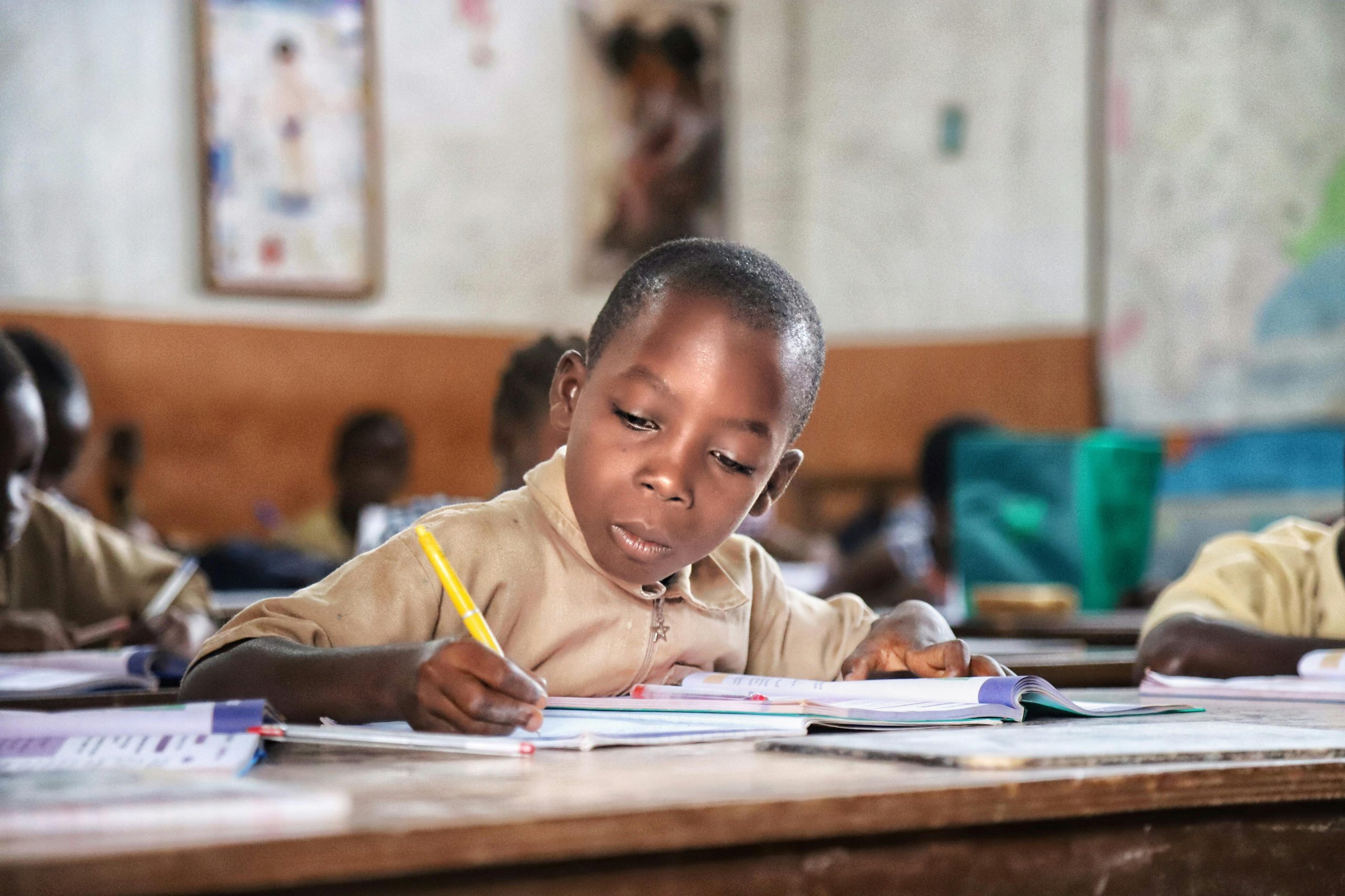
- Advancing inclusive quality education for every child by addressing barriers to access, participation, learning and retention. EQUAL supports safer and more inclusive learning environments, educational materials and learning resources, teacher and learner support, digital inclusion, foundational learning and targeted assistance for vulnerable and crisis-affected children in schools and Temporary Learning Spaces (TLS).
- WATWA — Water Trucking and WASH Access
- Improving access to safe water, sanitation and hygiene in schools through water trucking, water storage, filtration, hygiene promotion and related WASH interventions that contribute to healthier and more resilient learning environments.
- ROGS — ROTO Green Schools
- Transforming schools into greener and environmentally responsible learning environments through tree planting, environmental education, waste sorting, composting and student-led environmental stewardship.
- OSFARM — Organic School Farms
- Using school gardens and practical agriculture to promote environmental learning, sustainable food production, composting, soil stewardship and hands-on agricultural skills among learners.
- EDAS — End Drug Abuse in Schools
- Protecting children and young people from substance abuse through school-based prevention, sensitization, life-skills development, awareness campaigns and supportive interventions that promote healthy choices and safer learning environments.
- GRACIH — Grassroots Civic Hub
- Building democratic participation, responsible citizenship and youth leadership through practical civic education, student leadership development and simulated democratic processes that enable learners to understand and experience accountable governance.
- Advancing inclusive quality education for every child by addressing barriers to access, participation, learning and retention. EQUAL supports safer and more inclusive learning environments, educational materials and learning resources, teacher and learner support, digital inclusion, foundational learning and targeted assistance for vulnerable and crisis-affected children in schools and Temporary Learning Spaces (TLS).
- Improving access to safe water, sanitation and hygiene in schools through water trucking, water storage, filtration, hygiene promotion and related WASH interventions that contribute to healthier and more resilient learning environments.
- Transforming schools into greener and environmentally responsible learning environments through tree planting, environmental education, waste sorting, composting and student-led environmental stewardship.
- Using school gardens and practical agriculture to promote environmental learning, sustainable food production, composting, soil stewardship and hands-on agricultural skills among learners.
- Protecting children and young people from substance abuse through school-based prevention, sensitization, life-skills development, awareness campaigns and supportive interventions that promote healthy choices and safer learning environments.
- Building democratic participation, responsible citizenship and youth leadership through practical civic education, student leadership development and simulated democratic processes that enable learners to understand and experience accountable governance.
Locally Led. Community Driven. Creating Measurable Change
Since 2017, REACH BACK has worked alongside schools, communities, traditional authorities, young people and local institutions to turn community needs into practical action. Our approach goes beyond one-off interventions: we build relationships with schools and communities, strengthen local capacity and create platforms through which children and young people can learn, grow and lead.
Our growing impact spans Education, WASH, Child Protection, Environmental Stewardship, Civic Engagement, Youth Empowerment and Skills Development across Cameroon’s North-West and South-West Regions.
- 5 Partner Schools • Integrated School-Based Programming
REACH BACK currently implements Project WATWA, Project ROGS, Project EDAS and Project OSFARM across five partner schools in Buea, Cameroon:
- Government High School (GHS) Buea
- Government School (GS) Likoko Membea — a three-in-one complex comprising two primary schools and one nursery school
- Bishop Jules Peter Memorial High School (BIJUCOL)
- Kingston Memorial Bilingual Primary School (KMBS)
- Kingston Comprehensive Secondary School (KCSS)
Through this integrated model, we are progressively transforming schools into safer, healthier, greener and more resilient learning environments.
- 5 Schools Supported with Water Access & WASH
- Through Project WATWA — Water for All, REACH BACK has donated a 1,000-litre water storage tank to each of our five partner schools and supports the schools with approximately 1,000 litres of water per week.
- The supplied water supports school cleaning and sanitation, while water intended for drinking is treated using water filters donated by REACH BACK — one to each partner school.
Our goal is simple: children should not have to choose between attending school and having access to basic water, sanitation and hygiene services.
- 50+ Trees Planted • 40+ Continuously Supported to Survive
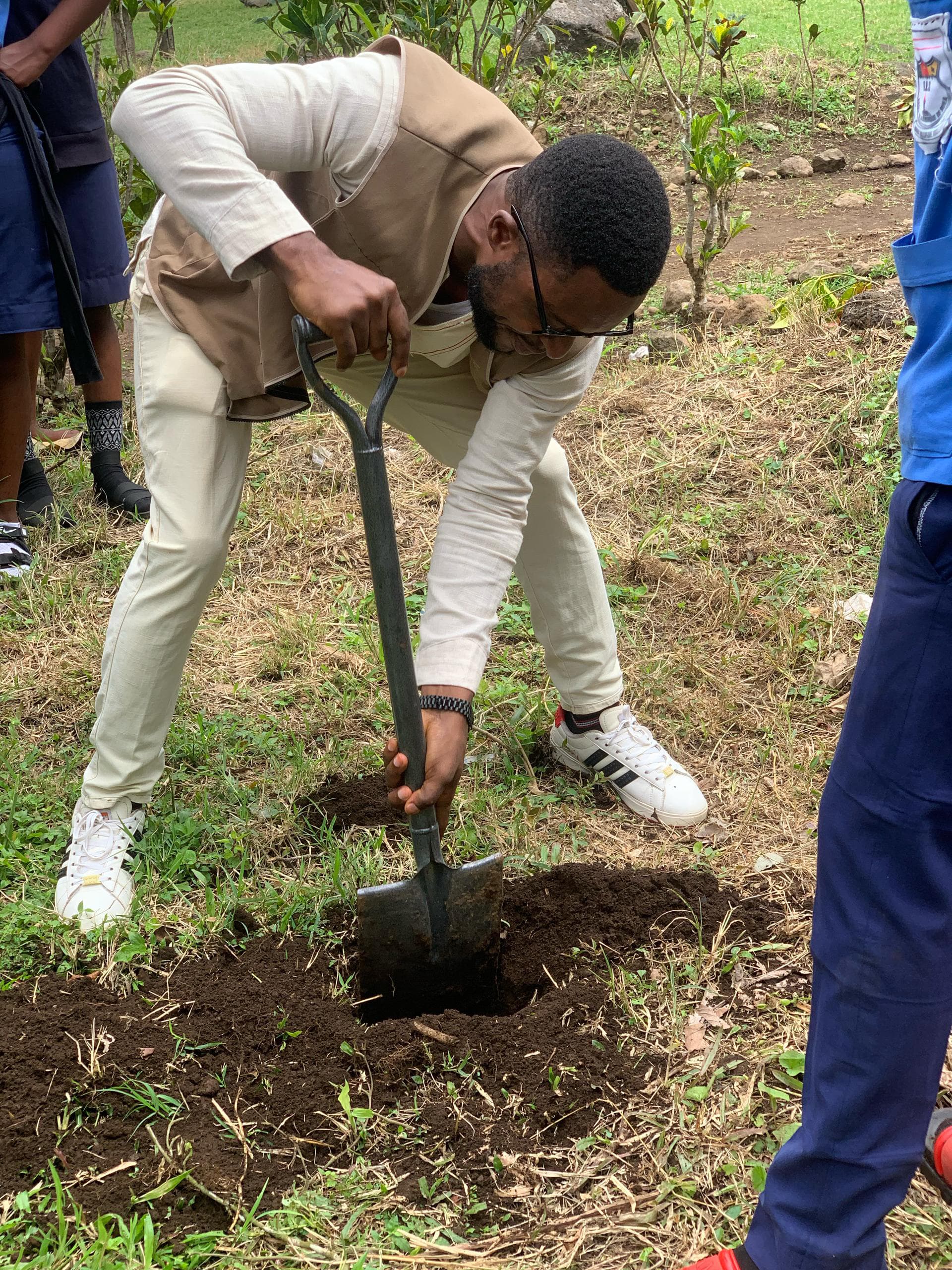
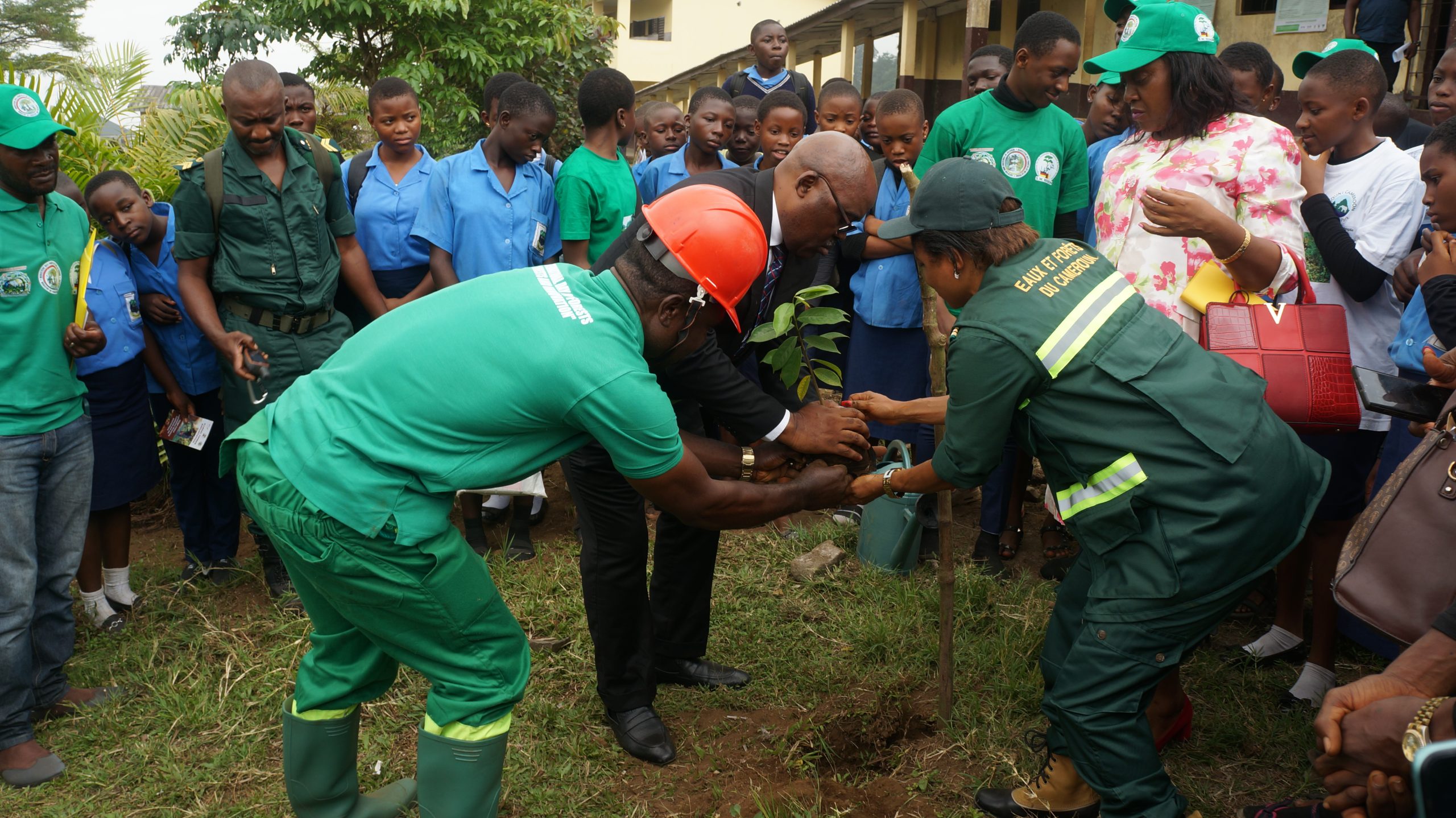
- Through Project ROGS — ROTO Green Schools, REACH BACK works with school Environmental Clubs to turn environmental education into practical action.
- At GHS Buea and GS Likoko Membea, more than 50 trees have been planted, with continued care and monitoring supporting the survival of over 40 trees.
Our work combines tree planting with environmental education, waste management, school cleanup activities and practical stewardship so that learners understand that planting a tree is only the beginning — protecting and sustaining it creates the impact.
- 2 School Gardens Established • Expansion to 3 More Schools
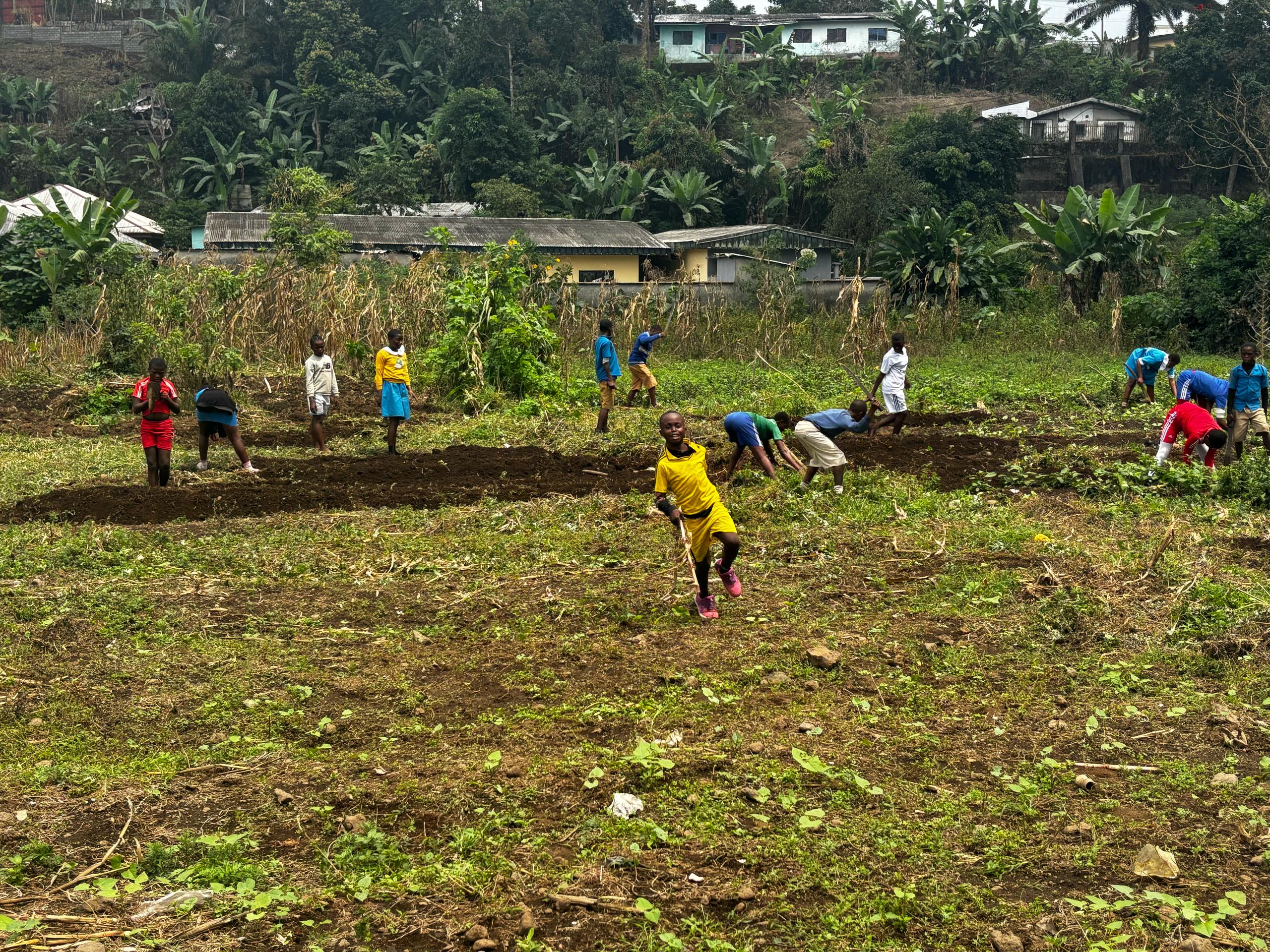
- Through Project OSFARM — One School, One Organic Farm, REACH BACK has successfully established school gardens at GHS Buea and GS Likoko Membea.
- Learners participate in practical gardening and environmental activities that connect classroom learning with agriculture, soil stewardship, composting and sustainable food production.
During the 2026/2027 academic year, REACH BACK plans to extend the school-garden model to BIJUCOL, KMBS and KCSS, bringing OSFARM to all five partner schools.
- Weekly School-Based Prevention & Environmental Engagement
- REACH BACK conducts weekly EDAS — End Drug Abuse in Schools campaign sessions with participating schools, providing continuous awareness and prevention engagement around drug and substance abuse.
- We also work with school Environmental Clubs, creating opportunities for learners to participate directly in environmental stewardship, school greening, waste management, gardening and other practical sustainability activities.
This continuous engagement enables REACH BACK to move beyond occasional campaigns toward long-term behaviour change and student leadership.
- 1,200+ Citizens Mobilized for Electoral Registration
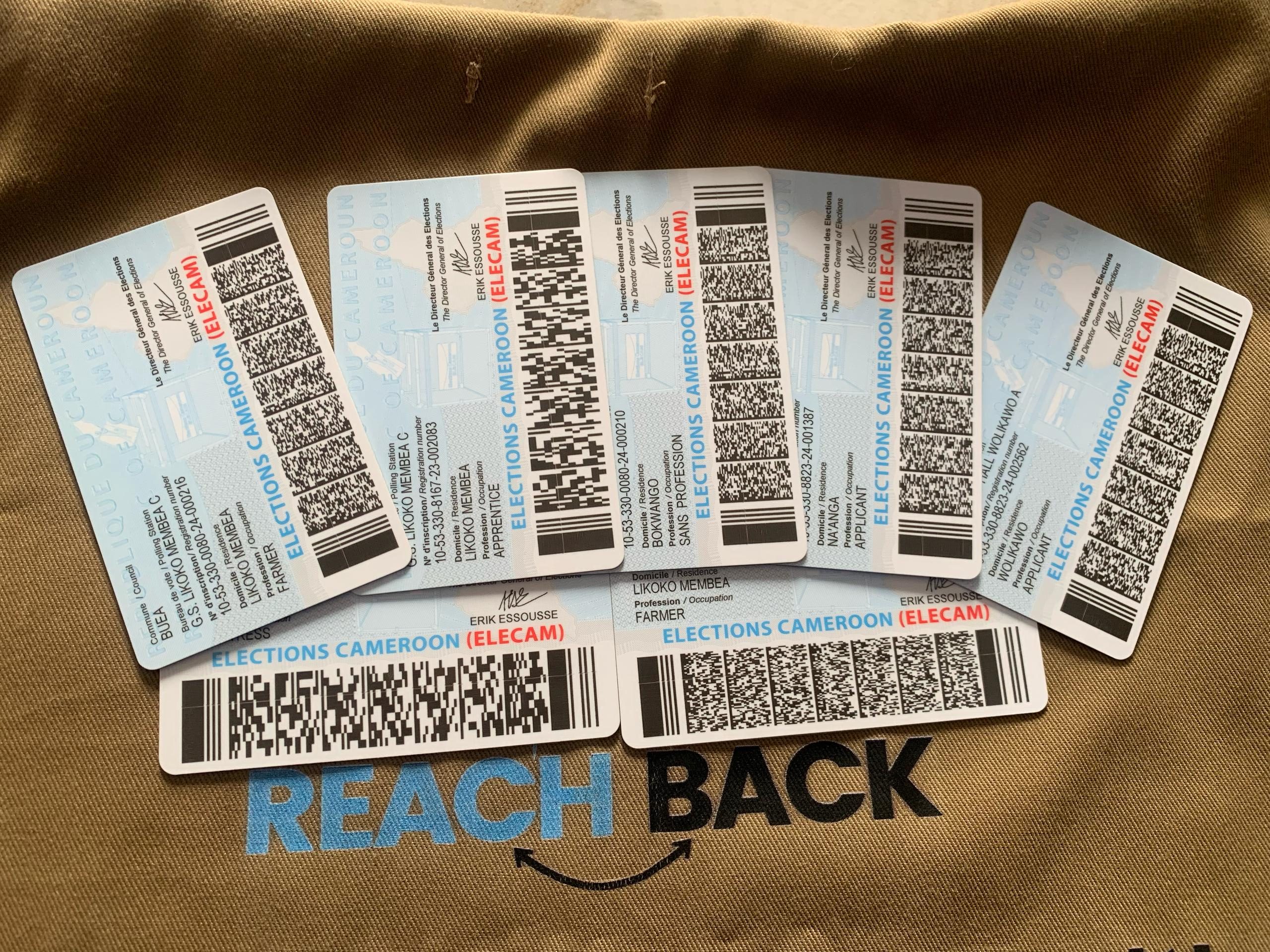
- Ahead of Cameroon's 2025 Presidential Election, REACH BACK collaborated with Elections Cameroon (ELECAM) to mobilize and facilitate the electoral registration of more than 1,200 people from Bokwaongo, Bwassa, Nanga'a, Likoko Membea and Buea Town.
- Registration exercises were hosted twice at the REACH BACK Head Office in Bokwaongo and once at Bokwaongo Market.
- Working closely with traditional authorities, quarter heads, youth leaders and clergymen, we mobilized community members to participate in the registration process.
- Our engagement did not end with registration. REACH BACK supported the collection and distribution of available voter cards, helping ensure they reached registered citizens through our office, quarter meetings, church services and Masses, and community-work gatherings.
This grassroots approach demonstrates our belief that civic participation becomes meaningful when institutions meet citizens where they live, work, worship and organize their communities.
- GRACIH at GHS Buea • Building Tomorrow's Democratic Leaders
- Since 2022, REACH BACK has implemented Project GRACIH — Grassroots Civic Hub with Government High School Buea, working with the school administration to strengthen democratic participation and student leadership.
- Every academic year, approximately 60 class prefects and assistants and 34 school prefects and assistants participate in the programme.
- Students experience practical democratic processes through the election of their representatives:
- Class prefect elections, generally conducted in October, are used to introduce learners to the principles and responsibilities associated with local/municipal representation.
- School prefect elections, generally conducted between late January and early February, are used to introduce learners to concepts associated with parliamentary representation and leadership.
Following elections, elected student leaders receive training in servant leadership, good governance, conflict resolution and project management.
Each elected leadership team serves a nine-month mandate, allowing students to move beyond learning about leadership to actually practising leadership, accountability and representation within their school community.
- 3 Active Temporary Learning Spaces
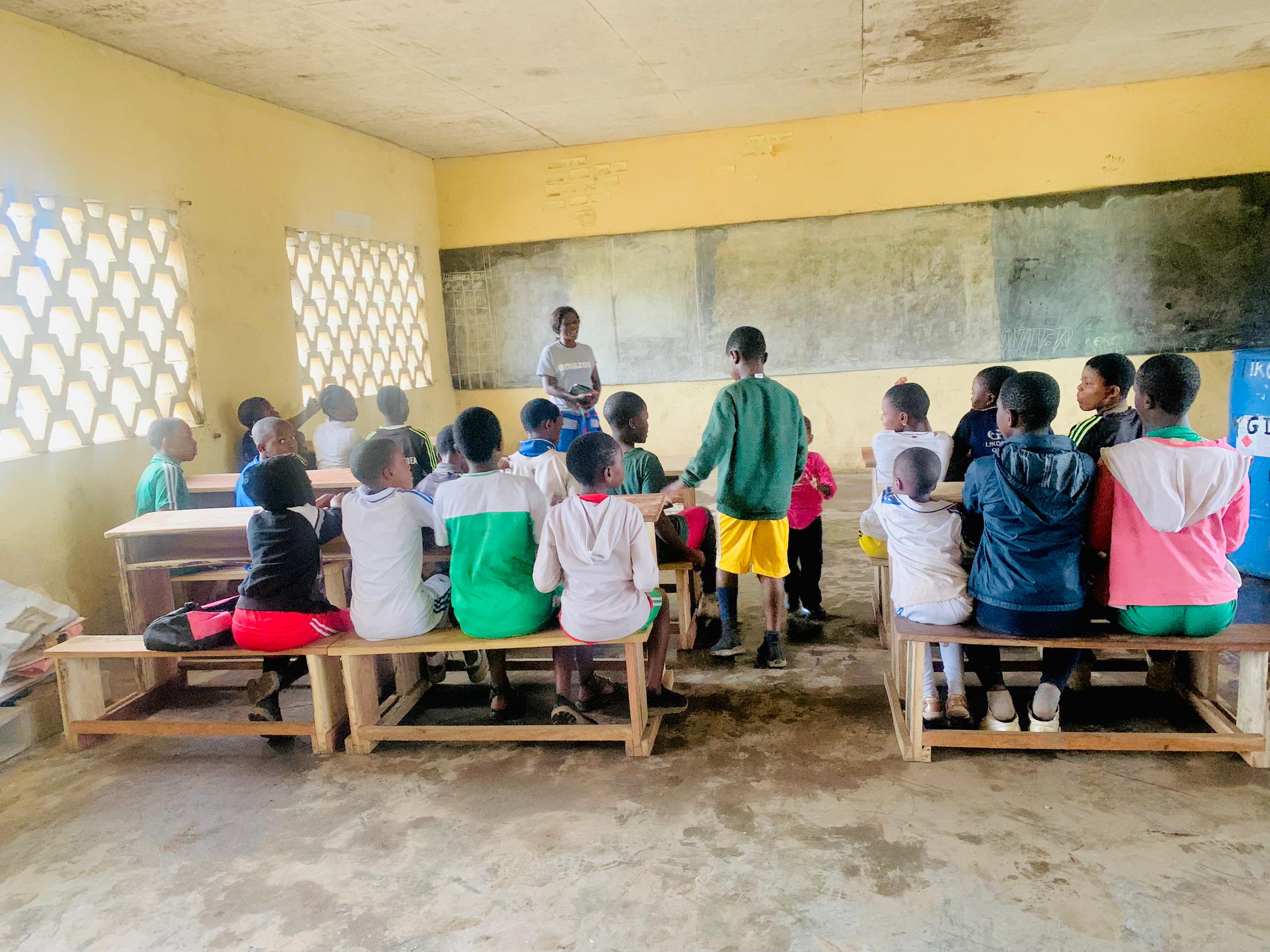
- REACH BACK currently maintains three Temporary Learning Spaces (TLS) serving children and communities affected by educational disruption:
- Bokwaongo — Buea, South-West Region
- Mile 90, Nsongwa Village — Bamenda, North-West Region
- Kingomen Village — Banso, North-West Region
- REACH BACK currently maintains three Temporary Learning Spaces (TLS) serving children and communities affected by educational disruption:
These spaces form part of our commitment to ensuring that children affected by crisis and disruption continue to have access to safe, supportive and inclusive learning opportunities.
- 30+ Young People Trained in MHPSS & PSEA
- More than 30 young people have received training at the REACH BACK Head Office in Bokwaongo, Buea, in Mental Health and Psychosocial Support (MHPSS) and Protection from Sexual Exploitation and Abuse (PSEA).
By building protection knowledge and psychosocial-support capacity among young people, we contribute to creating safer environments for children, youth and vulnerable community members.
- 27+ Girls Equipped with Beauty & Employability Skills
- Through practical vocational training delivered via ROTO BEAUTY Shop in Sandpit, Buea, more than 27 girls have been trained in manicure and pedicure.
The initiative provides participants with practical skills that can support self-employment, entrepreneurship and pathways toward greater economic independence.
- 35 Young People Trained in Digital Skills
- At the REACH BACK Vocational Training Center in Bokwaongo, Buea, 35 young people have received practical ICT training in Office Automation, Graphic Design and basic programming.
Through digital and vocational skills development, REACH BACK seeks to bridge the gap between formal education and employable skills, enabling young people to participate more effectively in an increasingly digital economy.
From Activities to Sustainable Change
For REACH BACK, impact is not simply the number of activities organized. It is about whether water continues to reach a school, a planted tree survives, a school garden continues to produce, a young person gains a practical skill, a vulnerable child continues learning or a student leader understands that leadership is service and accountability.
This is the foundation of our Reach One Teach One philosophy.
We Discover. We Develop. We Deploy — for Sustainable Development.
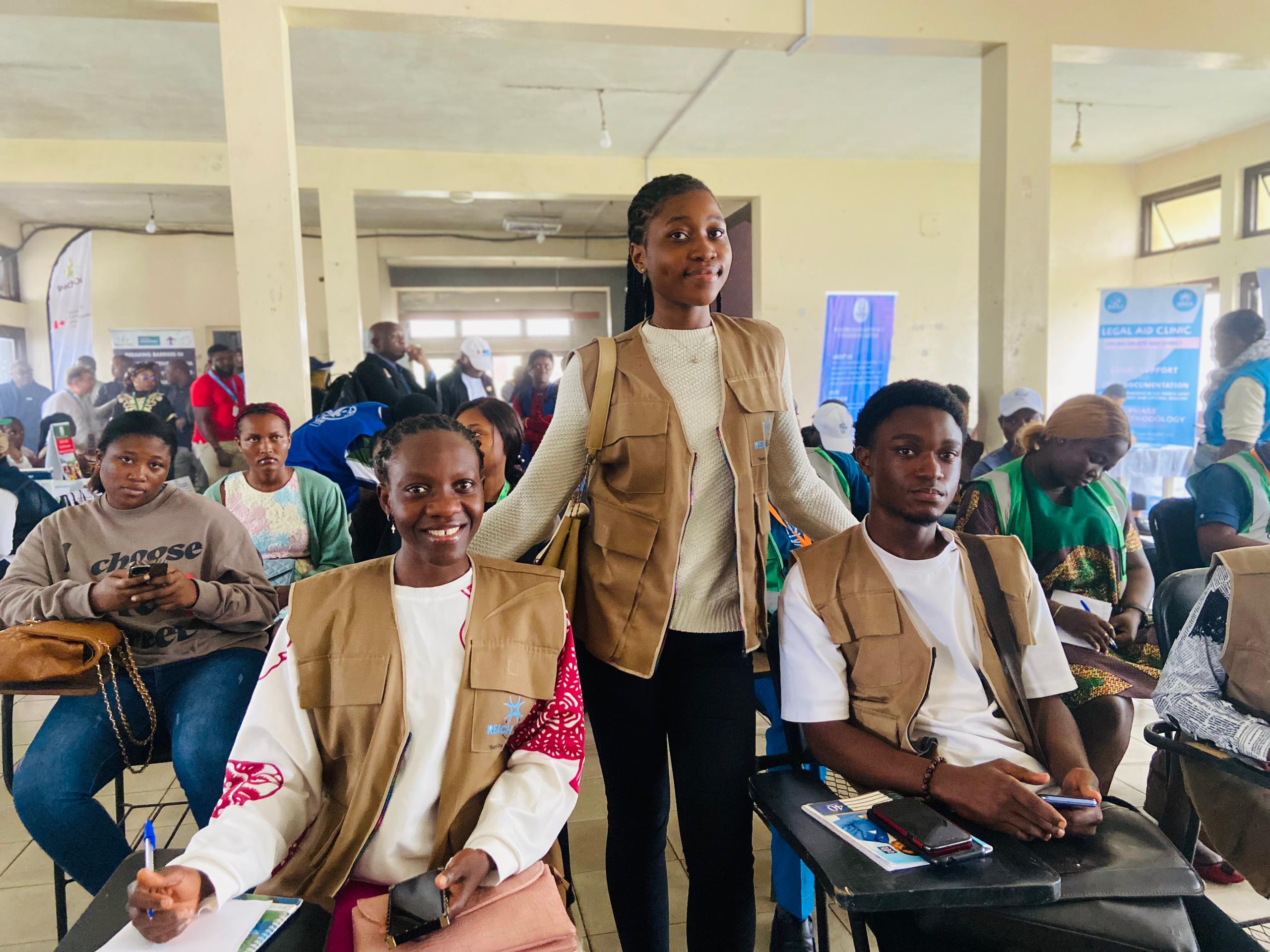
EDUCATIONAL PROGRAMMES
Locally Led. Community Driven. Built for Sustainable Impact.
REACH BACK believes sustainable development is strongest when communities, schools, children and young people are active participants in identifying challenges, developing solutions and sustaining results.
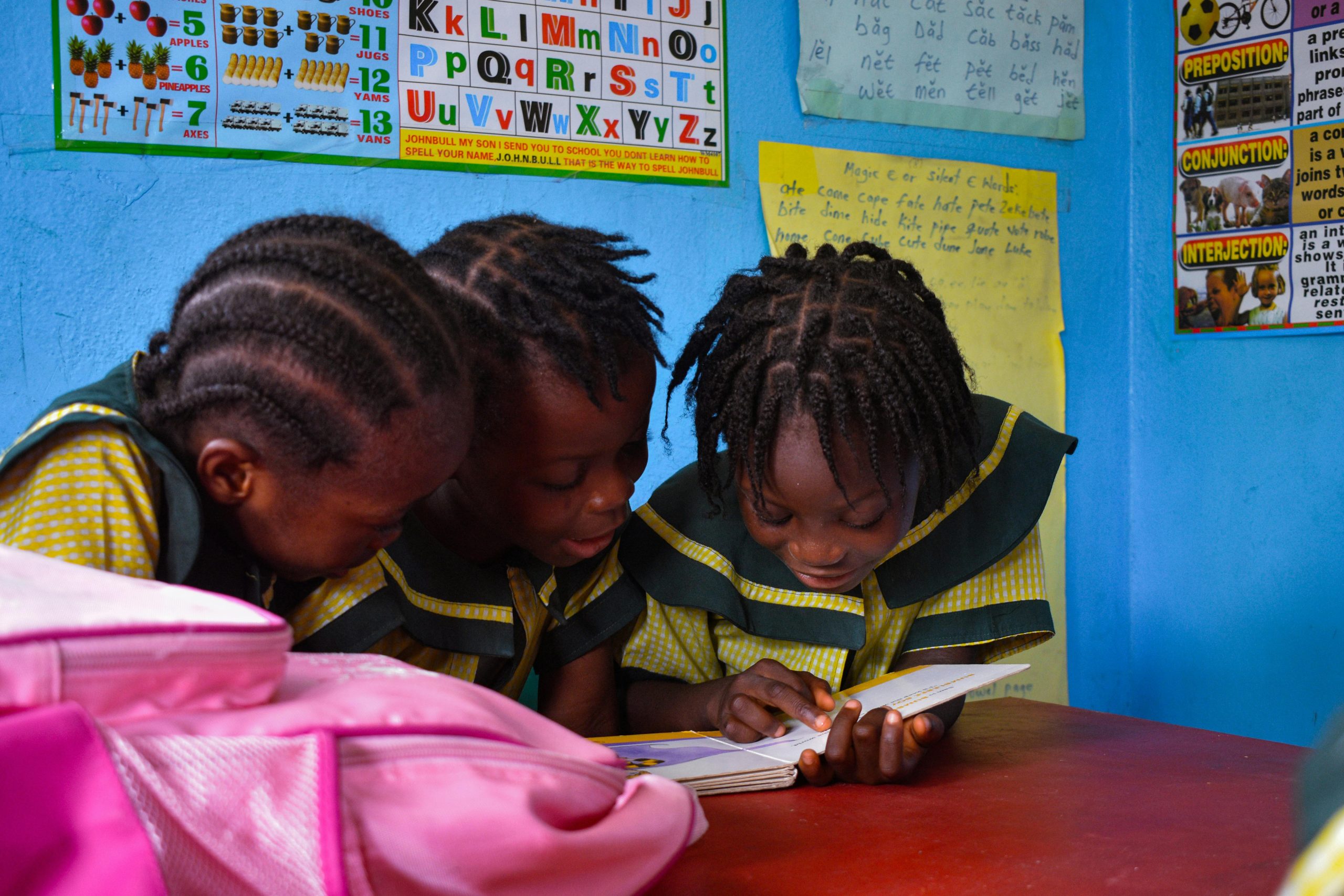
Small Acts, Big Impact
Climate Action